Navigating Game Coverage When Credential Access Is Getting Harder | Atlanta Sports Photographer
Hiring a photographer for game coverage should be straightforward. You want someone who understands the sport, knows how to anticipate the action, and can deliver images that capture more than just the final score.
But there is one piece of the process that is becoming increasingly important: access.
As schools, venues, tournaments, and athletic organizations tighten credential requirements and limit sideline access, photographers may not always have the freedom to move around the field or court. Understanding those limitations before game day helps everyone arrive prepared.
Why Access Matters for Game Coverage
Professional game coverage requires more than bringing a camera and finding a seat in the stands.
Photographers need to understand where they can safely work, what areas are restricted, and whether a credential or media pass is required. Some events designate specific shooting zones, limit the number of photographers allowed on the sidelines, or require approval from an athletic department or event organizer.
And importantly, hiring a photographer does not automatically guarantee sideline access.
Credentials are ultimately determined by the school, venue, tournament, or organization hosting the event.
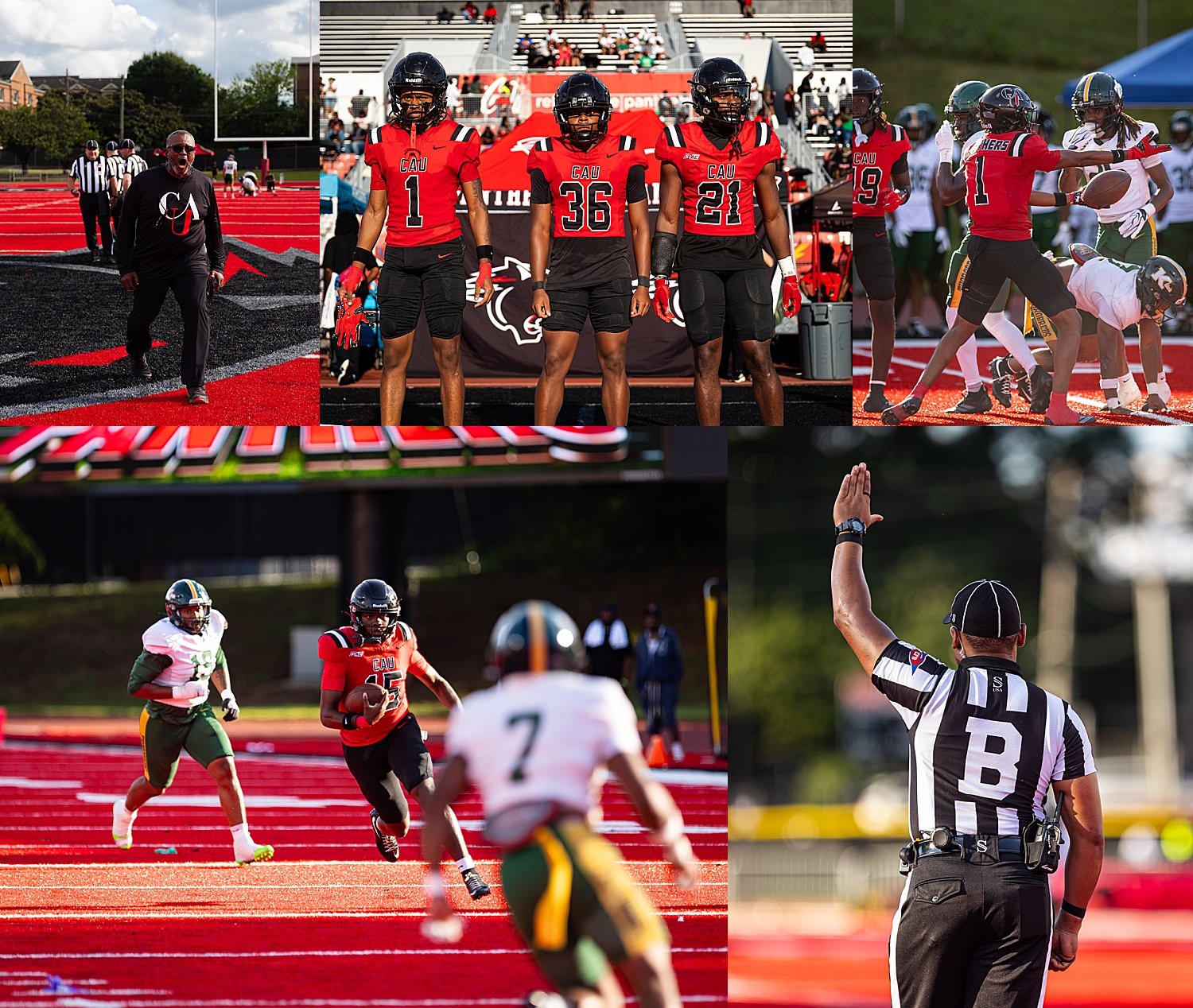
Talk About Credentials Before Game Day
The easiest way to avoid surprises is to have the conversation early.
If you're a coach, parent, athletic director, or team organizer hiring a photographer, ask about access requirements as soon as the event is booked.
A few things worth confirming:
Is a media or photography credential required?
Who is responsible for requesting the credential?
Where is the photographer permitted to shoot?
Are there designated shooting areas?
Are there equipment or lens restrictions?
When does the photographer need to arrive for check-in?
Communication between the photographer and the appropriate athletic or media contact can make a huge difference.
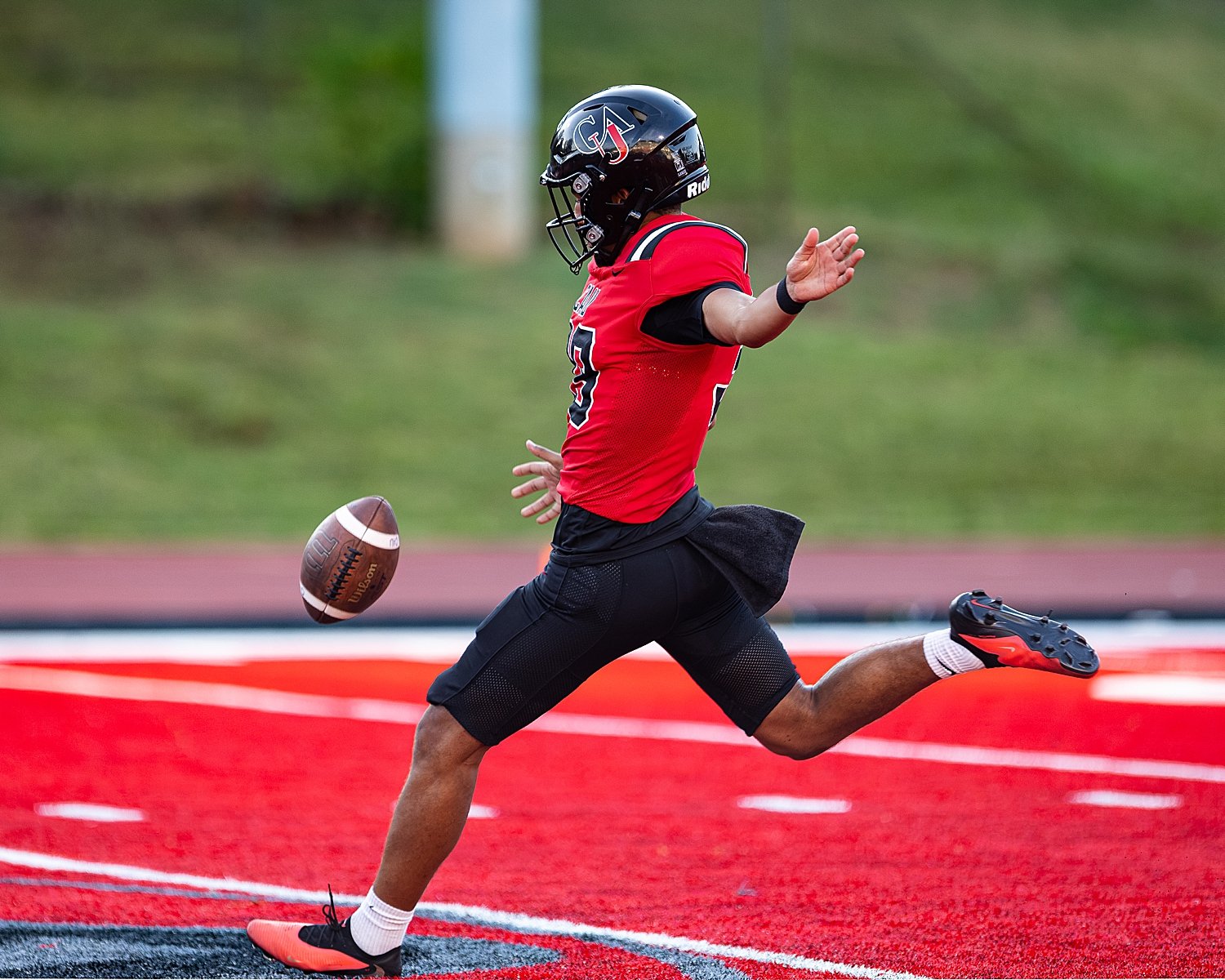
Experienced Photographers Know How to Adapt
Restricted access does not mean you can't create strong images.
An experienced sports photographer knows how to work within the environment they're given. That means understanding the sport, anticipating plays, selecting strong positions, and bringing the right equipment for the distance and lighting.
Sometimes that means working from the sideline. Other times, the best images may come from the end zone, stands, or another approved location.
Great game coverage is not about standing in one specific spot.
It's about knowing the sport well enough to anticipate what is coming and telling the story from wherever you're allowed to be.
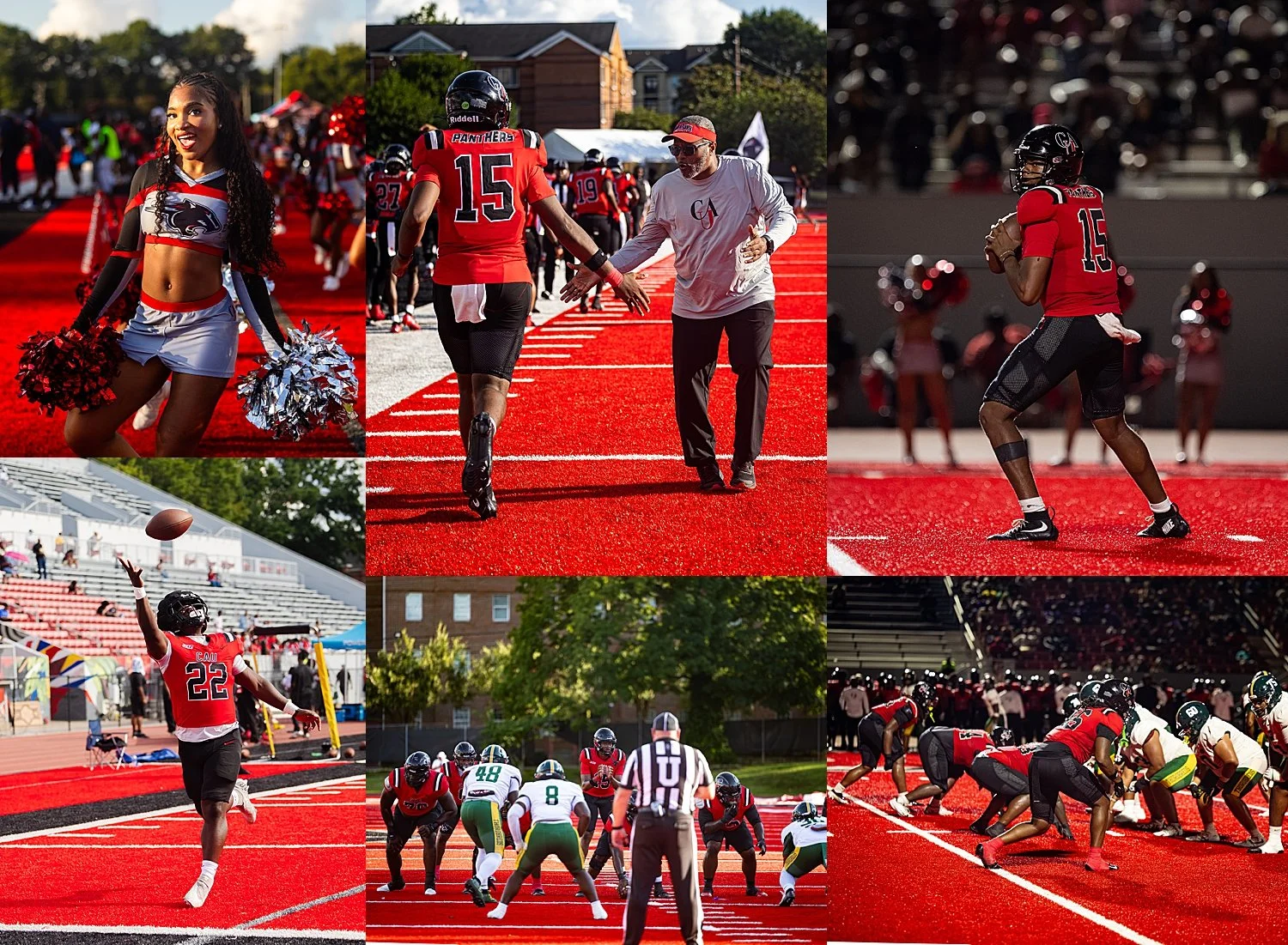
The Best Coverage Starts Before Kickoff
If you're planning photography for an Atlanta-area school, team, or athletic program, don't wait until game day to figure out access.
A quick conversation with the athletic department, venue, tournament organizer, and photographer can establish expectations and prevent last-minute surprises.
Because when everyone understands the rules ahead of time, your photographer can spend less time worrying about where they can stand and more time doing what you hired them to do: capturing the athletes, energy, emotion, and moments that make the game worth remembering!