Media Day Production: You Don’t Need Fire | Atlanta Sports Photographer
Let’s be honest. Media day production has gotten pretty wild.
Smoke. Colored lights. Fire. Props. Dramatic edits. Elaborate sets that look more like a movie production than a day of photographing athletes.
And I love it. I use effects too! You can see more of them here!
But here’s my unpopular opinion: you do not need a massive production to create incredible sports images.
The effects can be fun, but they should never be the thing carrying the image.
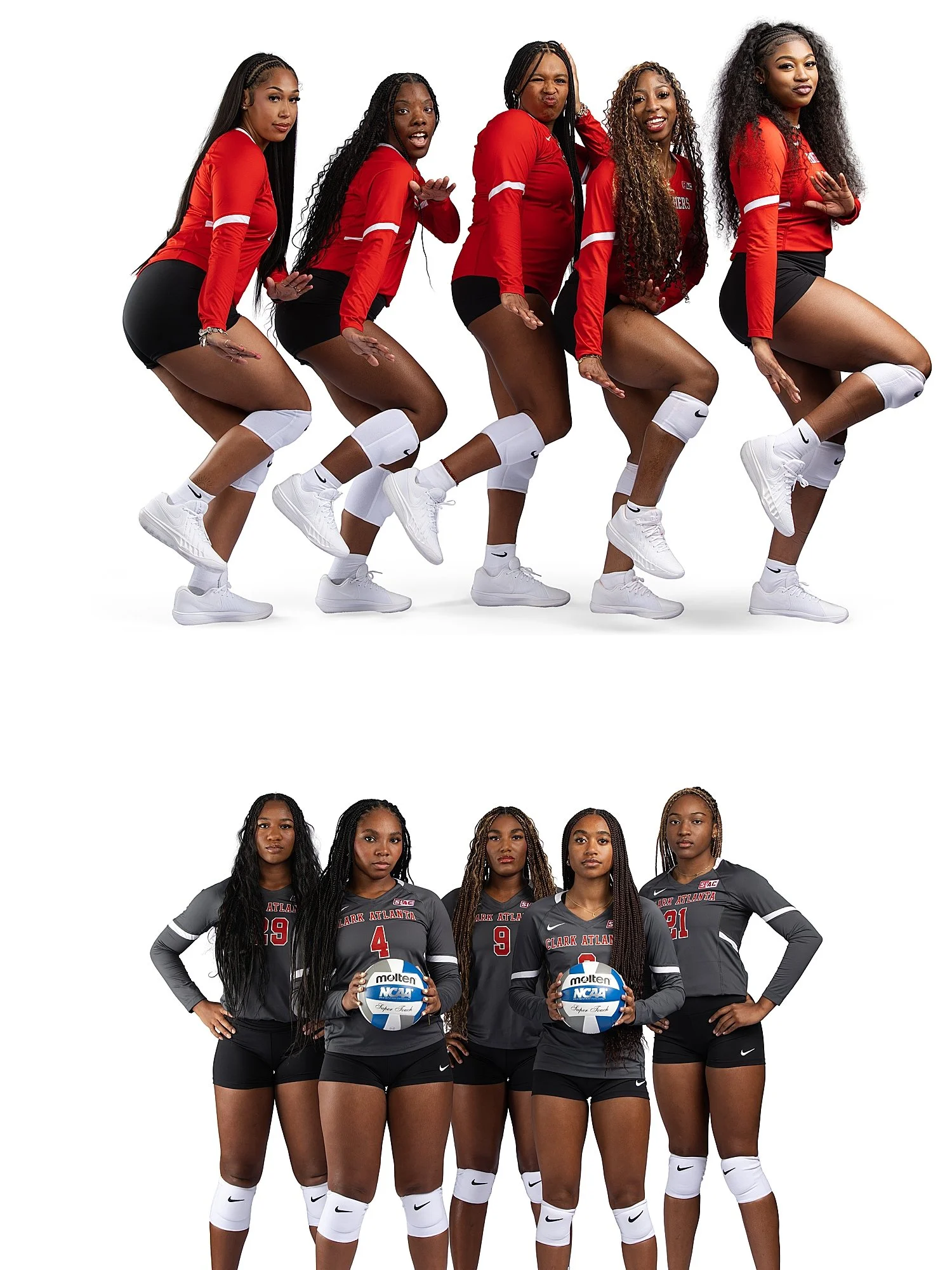
Great Media Day Production Starts With the Athlete
Before adding smoke machines or special effects, you need a photographer who knows how to photograph athletes.
Strong posing, clean lighting, and clear direction will take you much further than an elaborate set that looks impressive behind the scenes but doesn't photograph well.
Athletes need to know what to do with their bodies, where to look, how to move, and how to bring their personality into the image.
That is especially important when you're photographing an entire team. The goal is to create images that feel intentional and consistent while still allowing each athlete to look like themselves.
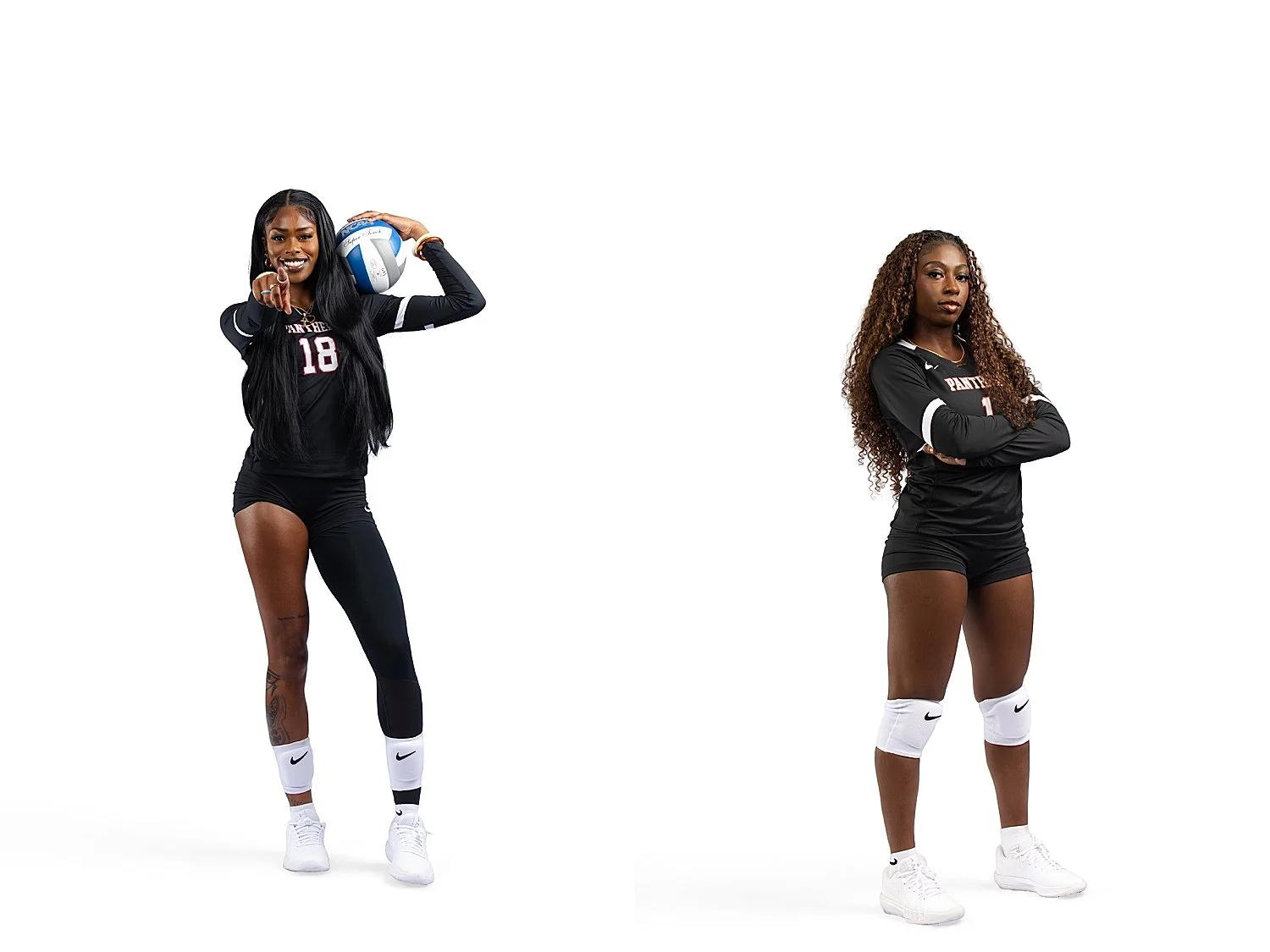
Effects Should Enhance the Image, Not Become the Image
There is nothing wrong with wanting fire, colored lights, smoke, or a dramatic composite.
They can create some seriously cool images!!
But a good media day production should use those elements strategically. If you remove the smoke or special effect and the image completely falls apart, the concept probably needs another look.
The athlete should still be the first thing you notice.
Think of special effects as another tool in the photographer's kit. They should add energy, reinforce the team's identity, or help bring a concept to life. They should not distract from the person you're there to photograph.
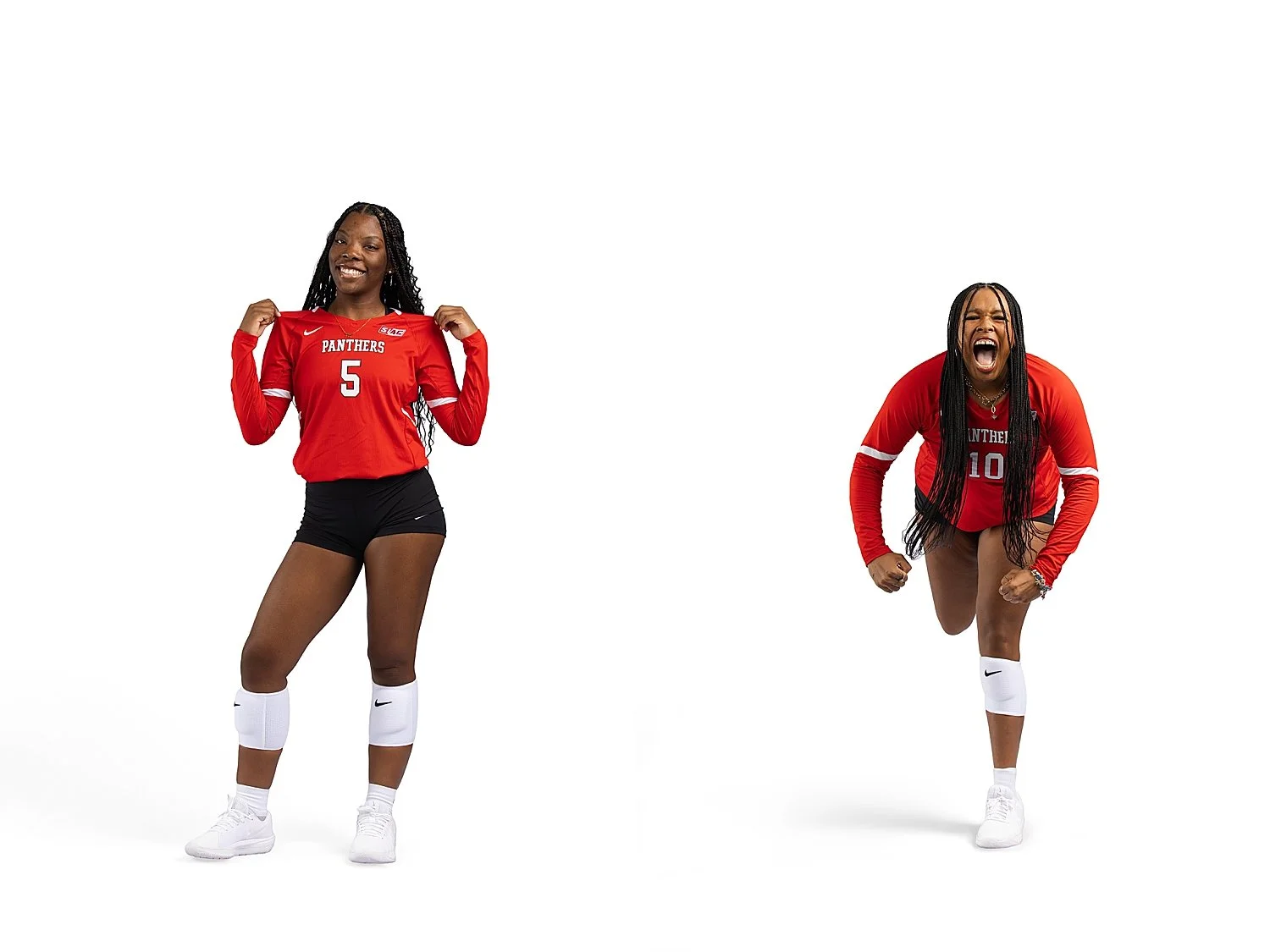
Simple Can Still Be Powerful
Some of my favorite athlete images come from setups that are surprisingly simple.
Good light.
A strong pose.
Clean background
An athlete who knows how to bring the energy.
That's it.
The best setup also depends on what the images are actually going to be used for. Team graphics, social media, recruiting, banners, programs, websites, and promotional materials may all require different types of images and different compositions.
That is why media day production should start with the purpose of the images, not the special effects.
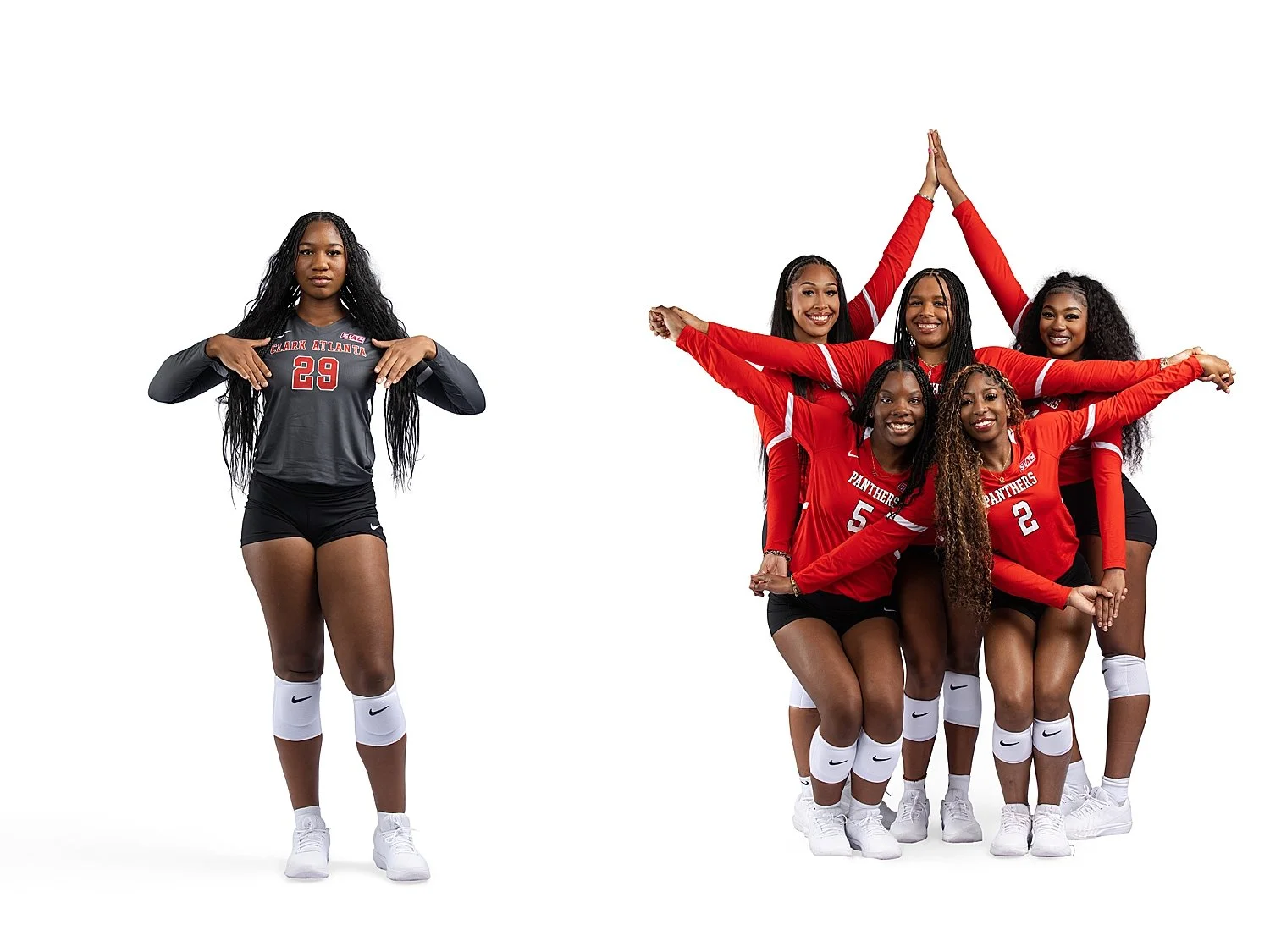
Build the Production Around the Story
In a nutshell: a successful media day isn't necessarily the one with the biggest setup. It's the one where the lighting works, the athletes are directed well, the images are consistent, the team gets usable content, and the final gallery actually represents who they are.
If we want to add some fire along the way? Absolutely.
But the fire is never the starting point.
The athlete is.